A hundred acres. Hundreds of owners.
The vision: enough irrigated land to matter, worked by a community that owns it — so everyone who puts in the work takes home a share of everything the tree gives. Here’s how it could be structured, who could help pay for it, and what could go wrong.
Why a co-op
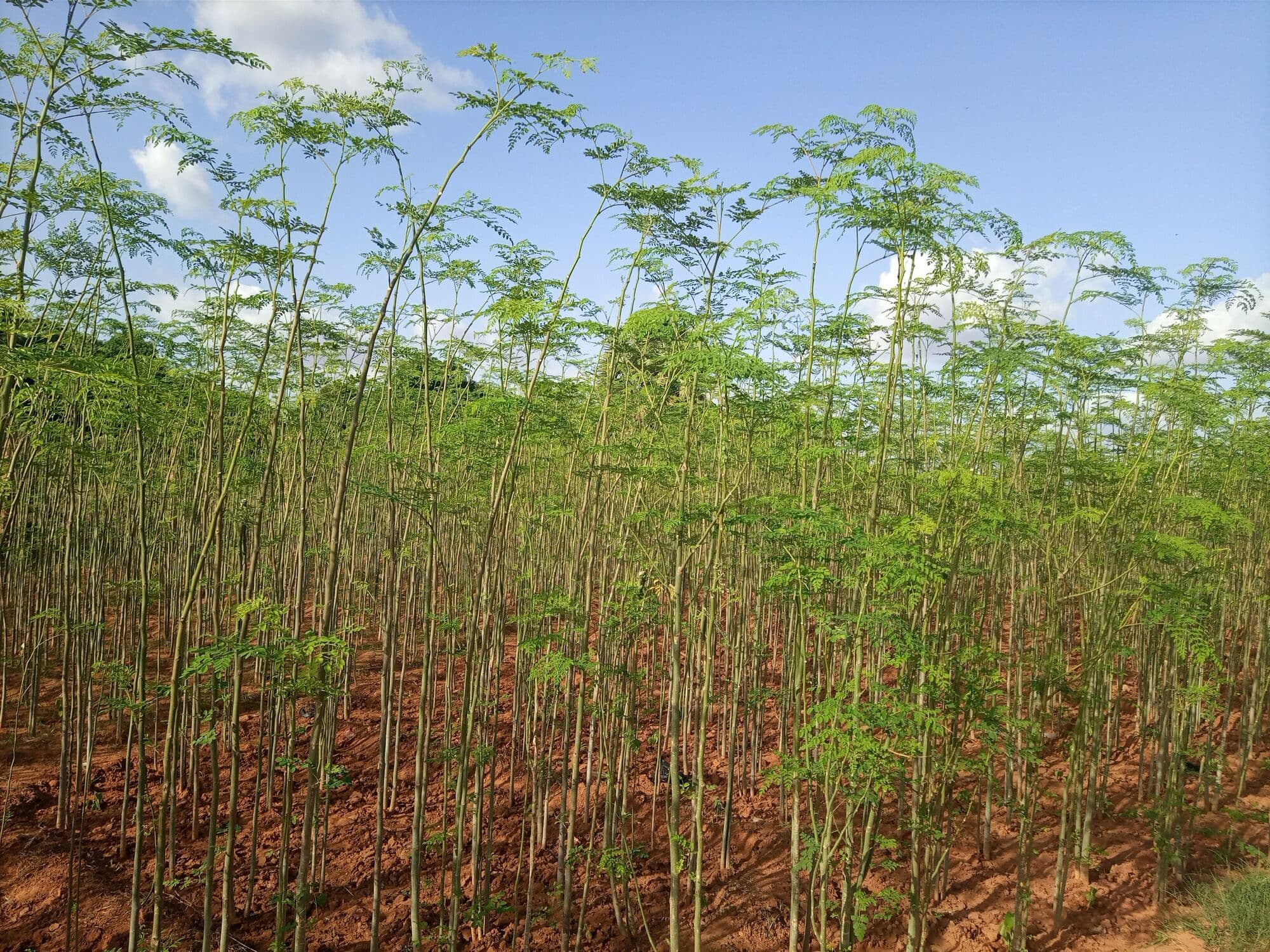
Moringa is generous. One planting gives food, feed, oil, seed, honey, compost and income — too many products for one family to use or sell, and too much work for one family to do. A cooperative matches the tree: many hands, shared harvest, and profits that stay with the people doing the work.
It also solves a legal problem. People can volunteer for a nonprofit, but they can’t legally volunteer for a for-profit business. In a co-op where the workers are the owners, members work for themselves.
Ways to structure it
Agricultural cooperative
Members co-own the land and share the harvest and the profits. The cleanest fit for “everybody takes advantage of everything the tree offers.”
Community land trust
A nonprofit owns the land permanently and leases it for public-benefit use. Can pair with a co-op that farms it.
Lease first
Many Yuma farmers lease out land. Leasing 5–20 irrigated acres for a few years proves the idea before buying 100.
Tribal partnership
The Quechan (Fort Yuma) and Cocopah tribes both have land and water rights in this area. A partnership could be a real opportunity.
Public programs for land used for the public good
None of these is free money, and each has rules. Most of them get easier to use once there’s a nonprofit or co-op to apply.
Recreation and Public Purposes (R&PP) Act
The BLM can sell or lease public land to state and local governments or qualified nonprofits for public purposes. For a nonprofit, the price is half of fair market value (90% if the use isn’t open to the public).
Must form a nonprofit first; the land must already be marked available in the BLM’s local plan; past grants were mostly parks, schools, campgrounds and fairgrounds; the deed reverts if the use changes; and BLM desert land has no water rights. A community farm with an education center is a question for the BLM Yuma Field Office.
EQIP — Environmental Quality Incentives Program
Pays part of the cost of water-saving practices like drip irrigation.
A strong fit. Apply through the USDA Service Center in Yuma.
REAP — Rural Energy for America Program
Helps pay for solar on farms and rural businesses.
Pairs with the solar plan for pumps, dryers and processing.
Value-Added Producer Grant (VAPG)
For turning a raw crop into a product — leaves into powder, seeds into oil.
Exactly what the processing barn does.
Specialty Crop Block Grants
Grants that support specialty crops, administered through the state.
EQIP, VAPG, REAP and Specialty Crop Block Grants all remain funded for 2026.
Farm Service Agency beginning-farmer loans
Direct and guaranteed loans to beginning farmers who can’t get regular bank financing.
A path to buying irrigated land.
Rural Business Development Grant
Funds economic development and job creation in rural areas.
Only for public bodies, tribes and nonprofits — another reason to form a nonprofit or co-op.
What members get
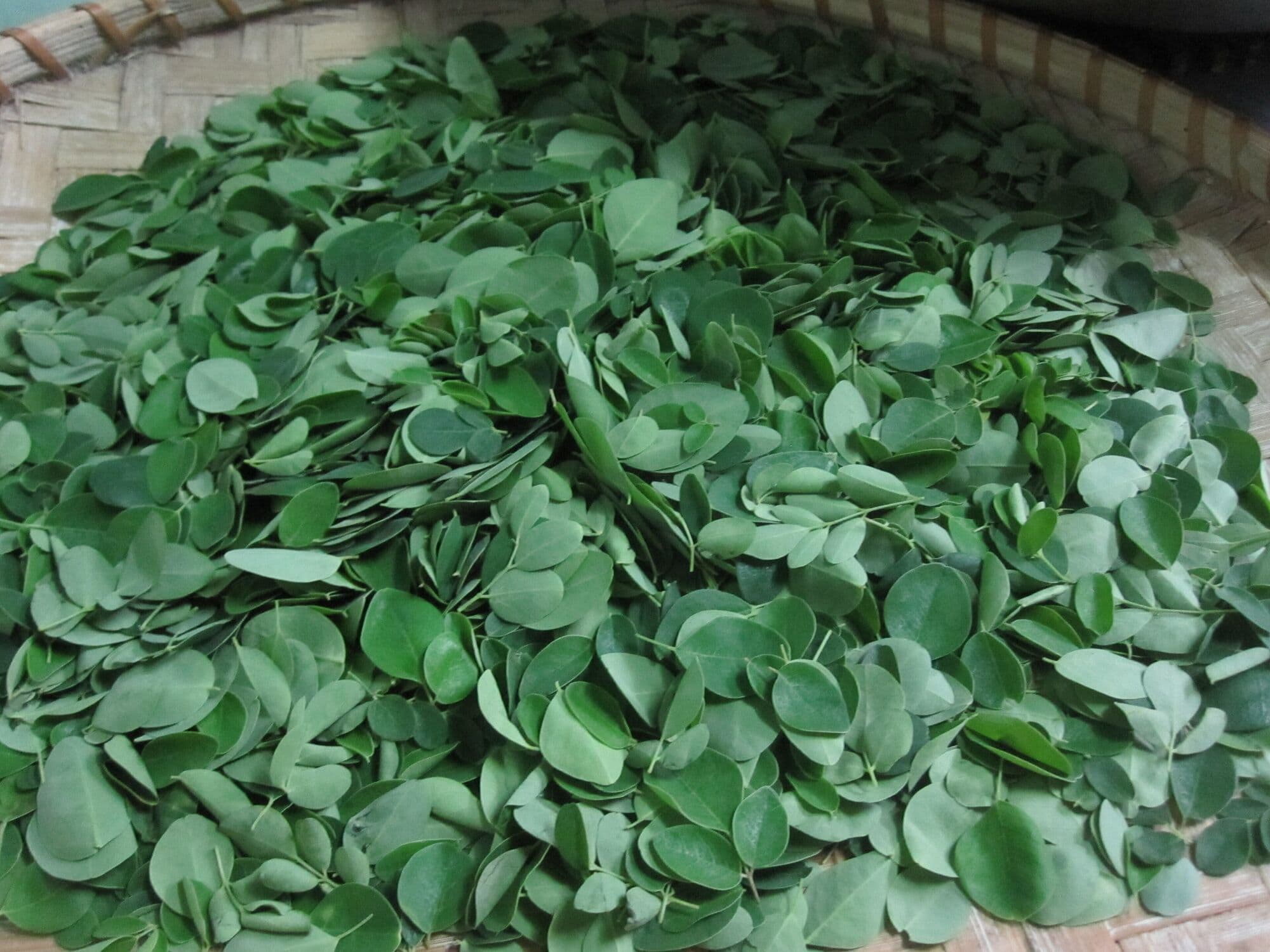
- Food: fresh leaves, pods and flowers through the season; dried leaf powder all year.
- Oil and seed: ben oil for the kitchen and skin care, and seed to plant their own trees.
- Clean-water know-how: seed cake for clarifying water.
- Animal feed and compost for their own gardens, goats and chickens.
- Fuel savings: a shared biodiesel setup running on restaurant waste oil for tractors and generators (see Fuel).
- Income: a share of what the co-op sells — leaf powder, pods, oil, seed and honey (see Harvest & Market).
- Skills: desert growing, drip irrigation, solar, food processing, cottage-food selling.
Honest cautions
The timing mismatch
The LTVA community is here roughly October to mid-April. Moringa grows hardest and needs the most care in the summer heat, when the snowbirds are gone. The co-op needs a year-round core crew — and year-round housing for them.
Labor law
Volunteers can help a nonprofit, not a for-profit business. Getting the structure right comes before inviting anyone to work.
Water is not forever
Colorado River cuts could reach Yuma farms from 2029. Senior water rights, efficient drip irrigation and a drought-tolerant crop are the best protection, not a guarantee. See the river outlook.
First calls to make
- Bard Water District and the Yuma County Water Users’ Association: how do water rights transfer with land, and what do small parcels cost to irrigate?
- BLM Yuma Field Office: is a community farm eligible under R&PP?
- USDA Service Center in Yuma (FSA and NRCS share an office): beginning-farmer loans, EQIP, REAP.
- UA Cooperative Extension, Yuma: any moringa trials in the area? Soil testing.
- Form the nonprofit or co-op before applying for any grants.