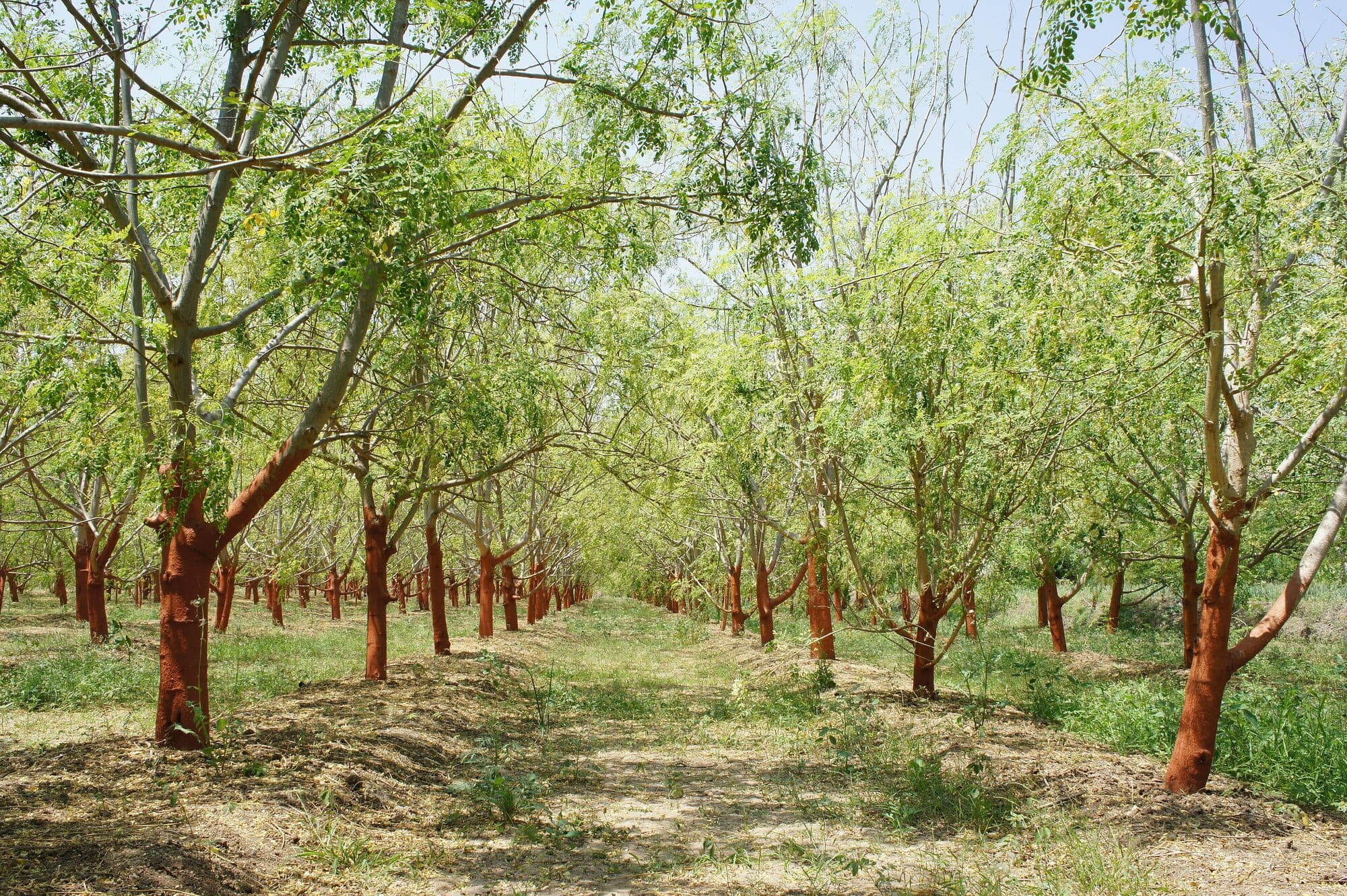
Moringa in the low desert.
Yuma is close to ideal for moringa — heat it loves, almost no frost, a growing season that runs nearly all year, and enough time for trees to actually set seed. Here’s the practical plan, starting with one acre.
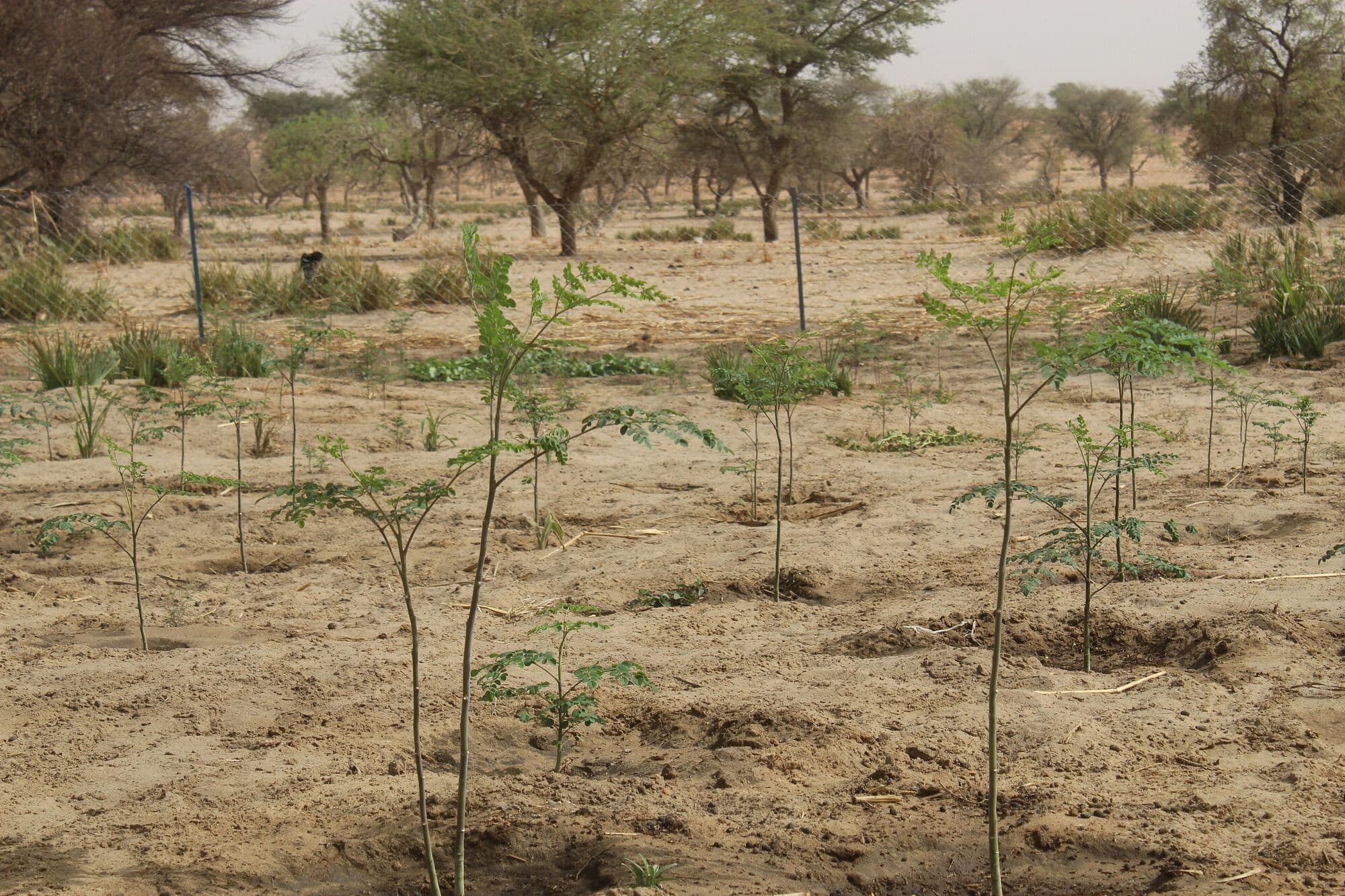
The one-acre layout
One acre is plenty to prove the idea. It’s split into five zones, each with a job:
| Zone | Size | What goes there |
|---|---|---|
| Living & work | ~⅛ acre | Trailer pad, solar panels, a small shed for drying leaves and pressing seed, water storage tank. |
| Nursery | A corner | Seedlings in pots under shade cloth. |
| Seed orchard | ~½ acre | About 200 trees, 10 ft apart, pruned to 6–8 ft so pods can be picked standing on the ground. |
| Leaf beds | ~¼ acre | Moringa planted 6–12 inches apart in rows and cut to knee height every 6–8 weeks. It regrows every time. |
| Windbreak | The edges | Taller moringa or other hardy desert trees to block wind and dust. |
Planting calendar
Best: plant out late February through April — past the frost risk, with time to root before the brutal summer. Second best: September–October, with frost protection the first winter. Avoid: planting small seedlings June–August; 115°F cooks them before their roots get going.
Which seed
Look for PKM-1, a variety bred in India that pods fast — often within 6–8 months — and stays shorter, which makes harvest easier. Plain Moringa oleifera seed works too; PKM-1 is the better bet for an orchard grown for pods and seed.
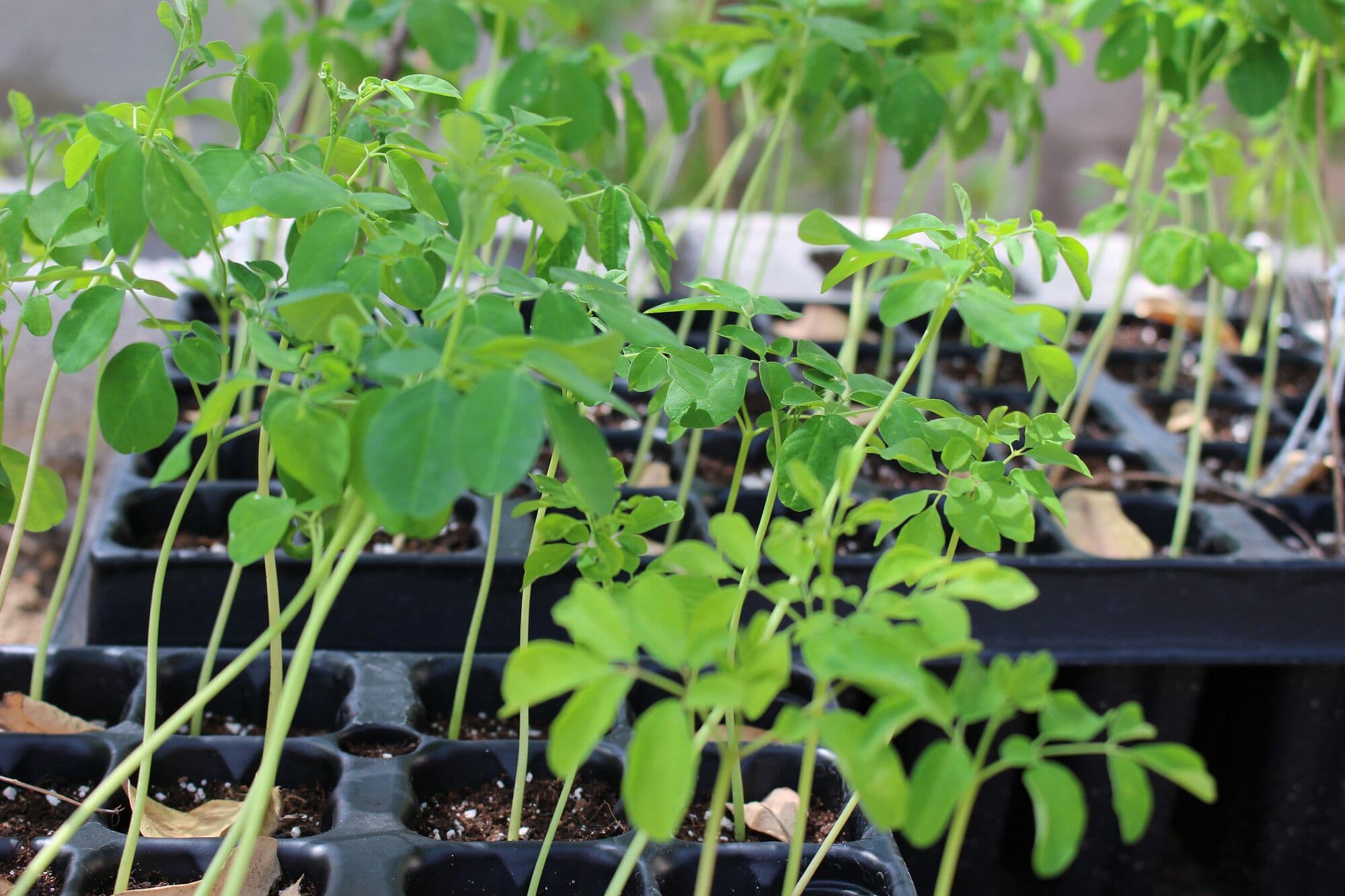
Starting from seed
- Soak seeds in water overnight.
- Plant 1 inch deep in pots of sandy potting mix. Tall pots (1-gallon or “tree pots”) are best — moringa sends down a long taproot fast.
- Keep moist, not soggy. They sprout in 1–2 weeks.
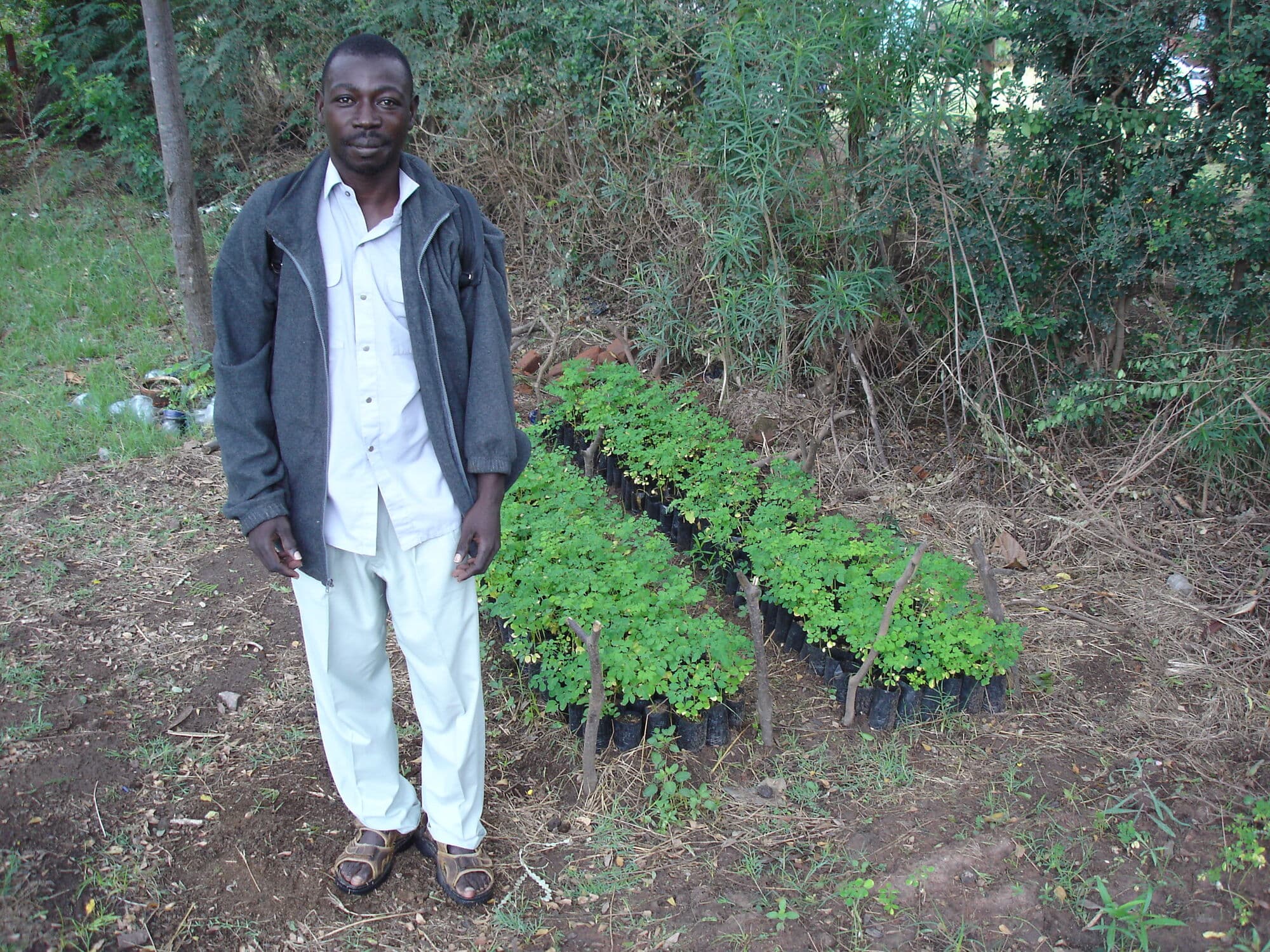
- Transplant into the ground at 6–12 inches tall, usually 4–8 weeks old.
Soil
Yuma-area soil is sandy and alkaline. That’s fine for a tree that hates wet ground. Mix compost into each planting hole, and add biochar made from the trees’ own husks over time. Get a soil test first — the University of Arizona Cooperative Extension office in Yuma can point you to one. Salt is the thing to watch for.
Irrigation
- Drip irrigation: black tubing with a small emitter at each tree. Water goes straight to the roots; almost none is lost to evaporation.
- A cheap battery timer runs it.
- Water deep and less often, not a little every day. That drives roots down.
- Young trees need water every few days in summer; established trees can go much longer.
- Mulch every tree — wood chips, straw, or moringa trimmings — to hold moisture.
Help paying for it
USDA’s EQIP program (Natural Resources Conservation Service) pays part of the cost of water-saving practices like drip irrigation. See public programs.
Heat & frost
- First summer: 30–50% shade cloth over young trees.
- Winter frost nights (usually a handful in December–January): frost cloth over young trees. Mature trees may drop leaves in a cold snap and usually bounce back.
Solar
This is one of the best solar locations in the United States. A modest array can run the trailer, a well pump, the irrigation timer and a leaf dryer — bringing monthly costs close to zero once it’s built. USDA’s REAP program helps fund solar for farms and rural businesses.
From 1 acre to 100
The same five zones scale up: bigger leaf beds (the money crop), a larger seed orchard, a shared processing barn for drying, grinding and pressing, and more windbreak. At 100 acres the limiting factors are water rights, year-round labor, and processing capacity — not the tree.