07Sheet 07 · Roadmap
One acre first. Then a hundred.
Prove it small, prove it again bigger, then build the thing. Here’s the order of operations.
- 01
Fall / Winter 2026
At Imperial Dam LTVA- Scout land between Imperial Dam and Yuma, on both sides of the river. Water first, then zoning, then price.
- Call the Bard Water District and Yuma County Water Users’ Association about water rights on small parcels.
- Call the BLM Yuma Field Office about R&PP eligibility for a community farm.
- Visit the USDA Service Center in Yuma (FSA + NRCS): beginning-farmer loans, EQIP, REAP.
- Talk to UA Cooperative Extension in Yuma about soil and local growing.
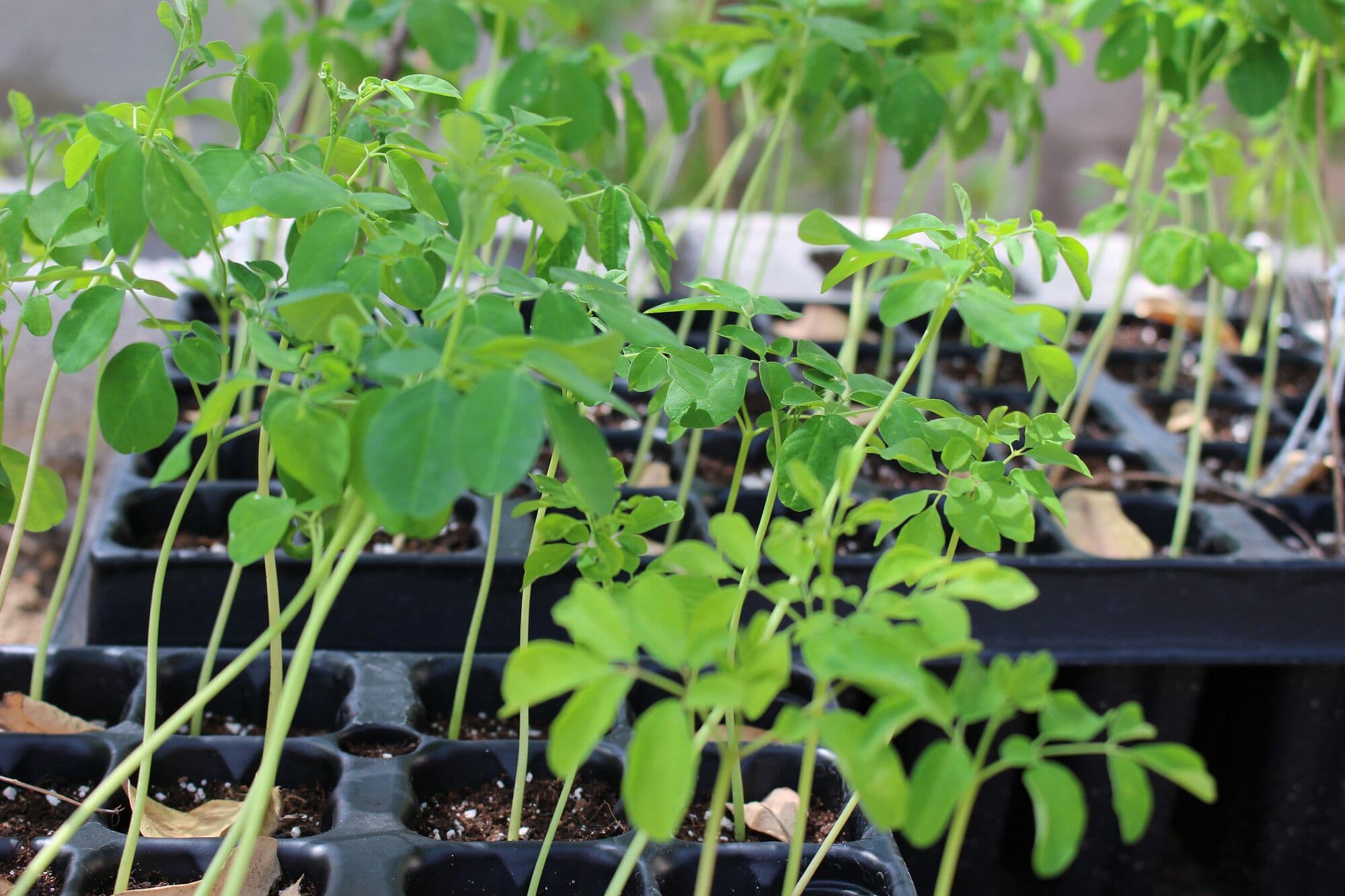
- Order PKM-1 seed. Start a few trial seedlings at camp.
- Hand out the brief. Build the list of interested people.
- 02
Early 2027
The first acre- Buy or lease the first acre with water.
- Set up the trailer pad, solar, water tank and drip lines.
- Start nursery seedlings in January–February.
- Plant out in March–April.
- Decide the legal structure: co-op, nonprofit, or both.
- 03
Summer 2027
First harvests- Shade cloth over young trees through the heat.
- First leaf harvests from the leaf beds — as early as 2–3 months after planting.
- Build drying racks (shaded screens with airflow, or a solar dehydrator) and set up a grinder.
- 04
Fall 2027 →
Pods, oil, first sales- First pods on the PKM-1 trees.
- Buy a small screw oil press.
- Start selling leaf powder to the winter visitor crowd, following cottage-food rules.
- Set up waste-oil collection with a few Yuma restaurants; one-liter biodiesel test batches.
- 05
2028
Full production- Full production on the first acre.
- Add bees, chickens or goats to use the extra trimmings.
- Incorporate the co-op; apply for VAPG, REAP, EQIP and Rural Business Development grants.
- Lease 5–20 irrigated acres to prove the model at scale.
- 06
Beyond
Toward 100 acres- Buy irrigated land with senior water rights, or partner with a tribe or land trust.
- Build a shared processing barn: drying, grinding, pressing, packaging.
- Year-round housing for the core crew; winter work seasons for the LTVA community.