Leaf powder is the real business.
A moringa planting throws off a surprising number of products. Some feed members; some pay the bills. Here’s the honest picture of what sells, for roughly how much, and to whom.
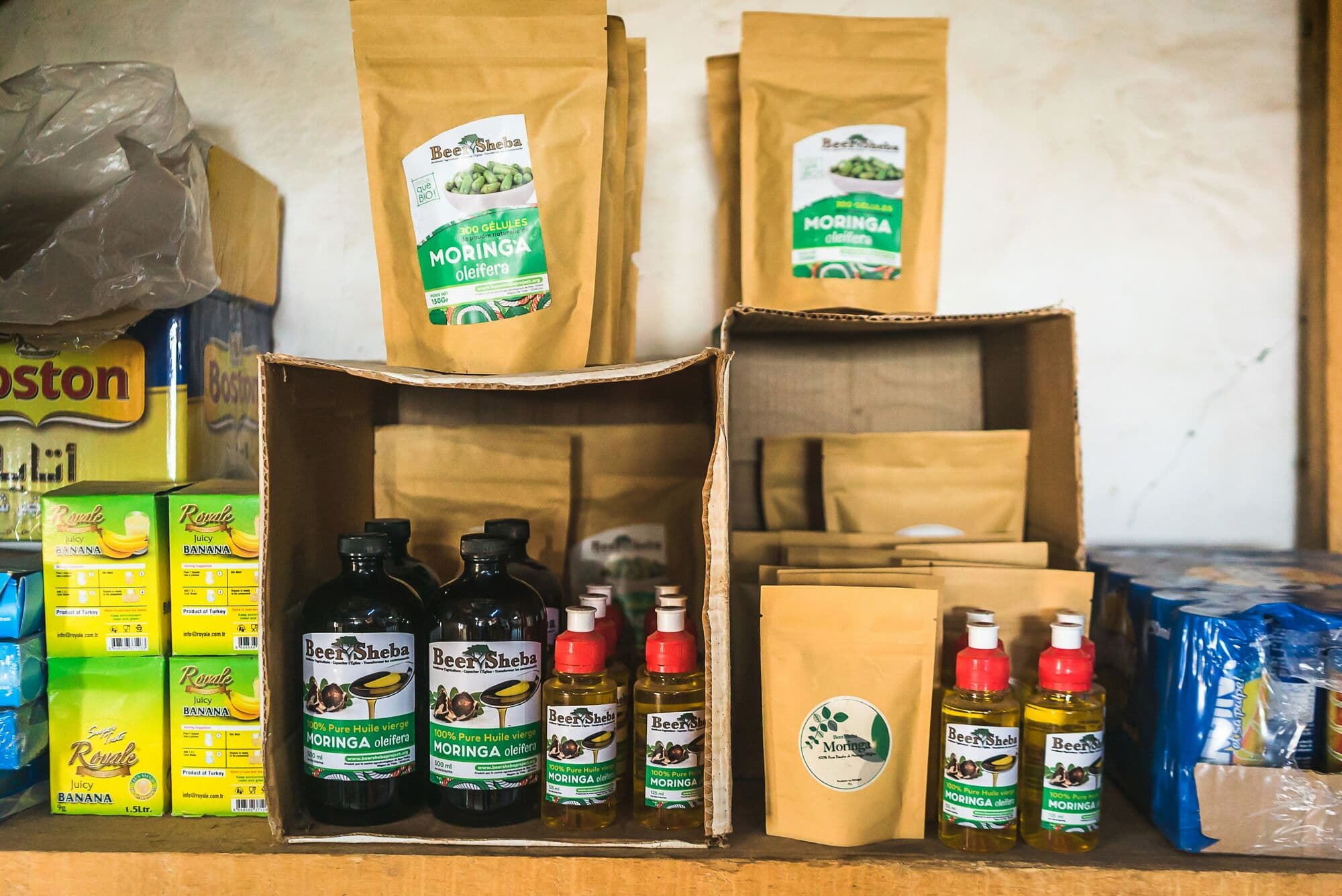
Leaf powder
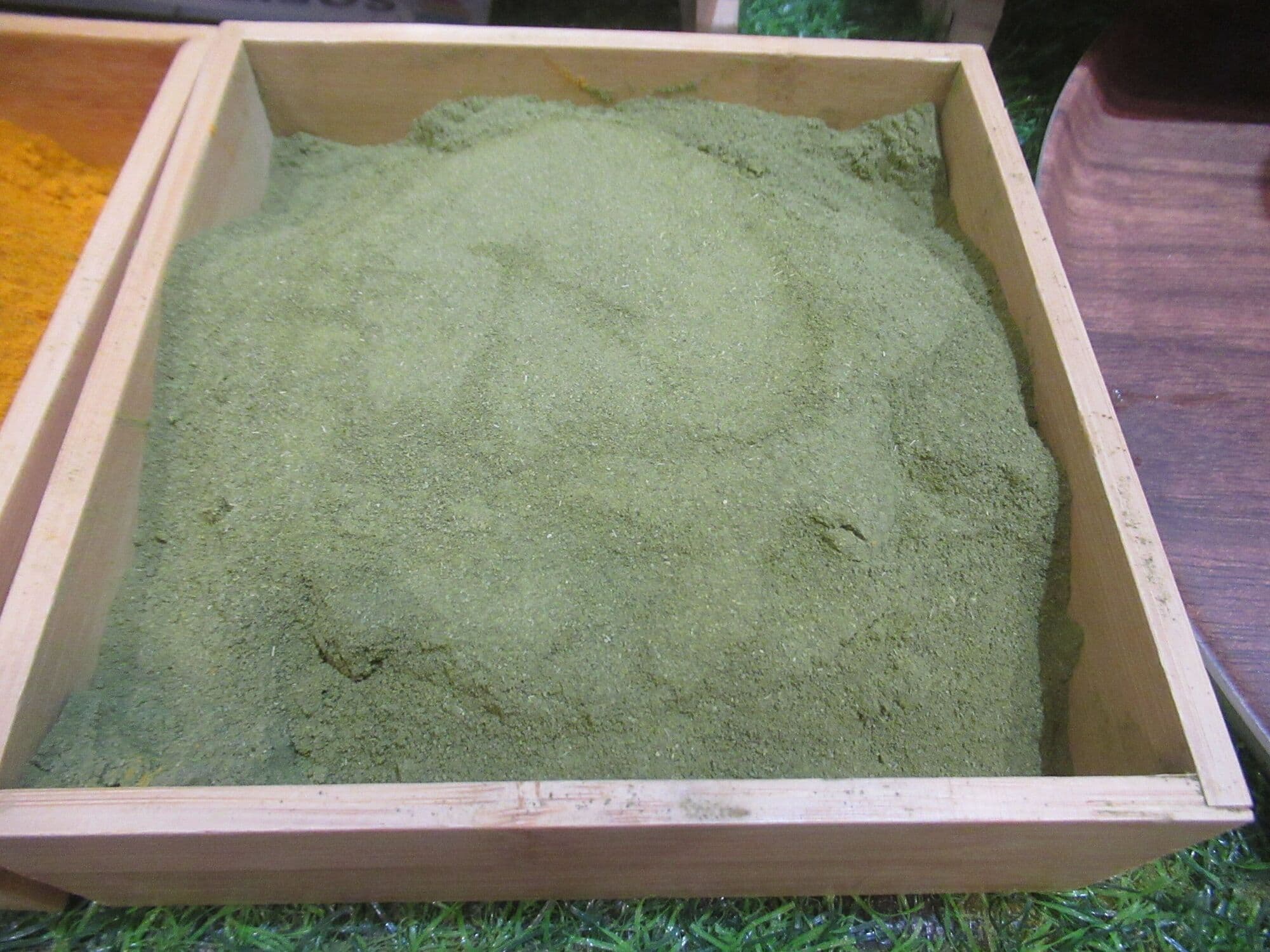
Leaf beds cut every 6–8 weeks can produce hundreds of pounds of dried powder a year from a quarter acre with good water. Moringa powder sells retail for roughly $15–30 a pound. It’s light, keeps for months, ships easily, and needs only simple equipment: drying screens and a grinder.
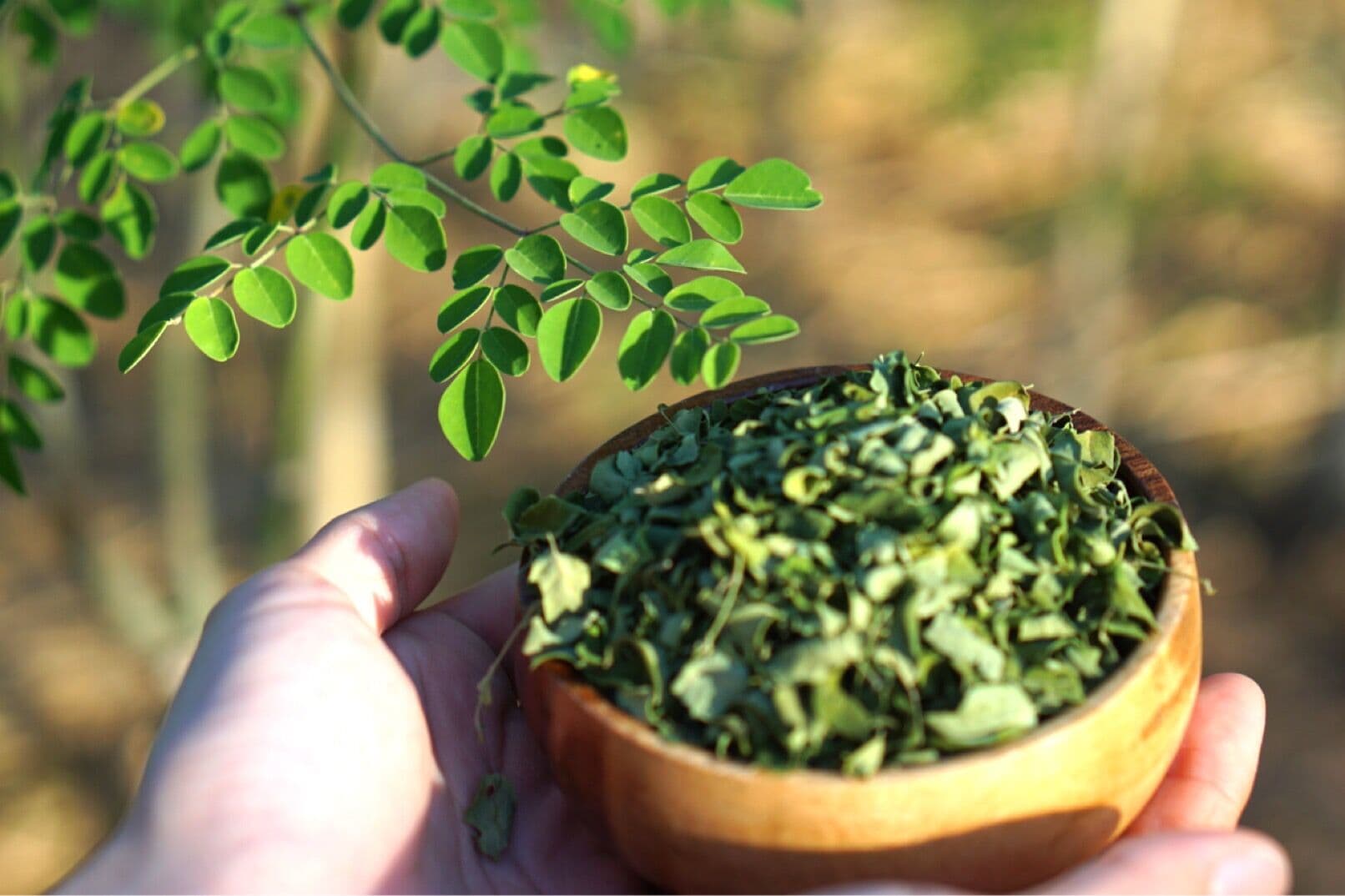
From branch to bag
- Cut leaf beds to knee height in the cool of the morning.
- Strip the leaflets from the stems (stems go to mulch or goats).
- Wash in clean water and drain.
- Dry in the shade on screens with good airflow, or in a solar dehydrator. Direct sun bleaches the color and nutrients.
- Grind to a fine powder, sift, and bag airtight, away from light.
Ben oil: sell it, don’t burn it
Cold-pressed moringa oil sells for cosmetic and skin-care use at well over $100 a gallon in small bottles. A half-acre seed orchard might give 15–30 gallons a year once mature, depending heavily on water, care and variety — about one tank for a pickup. So the oil is far more valuable sold than burned: sell the oil, and buy diesel with the money. A small manual or electric screw press costs a few hundred dollars.
Pods, seed, honey & more
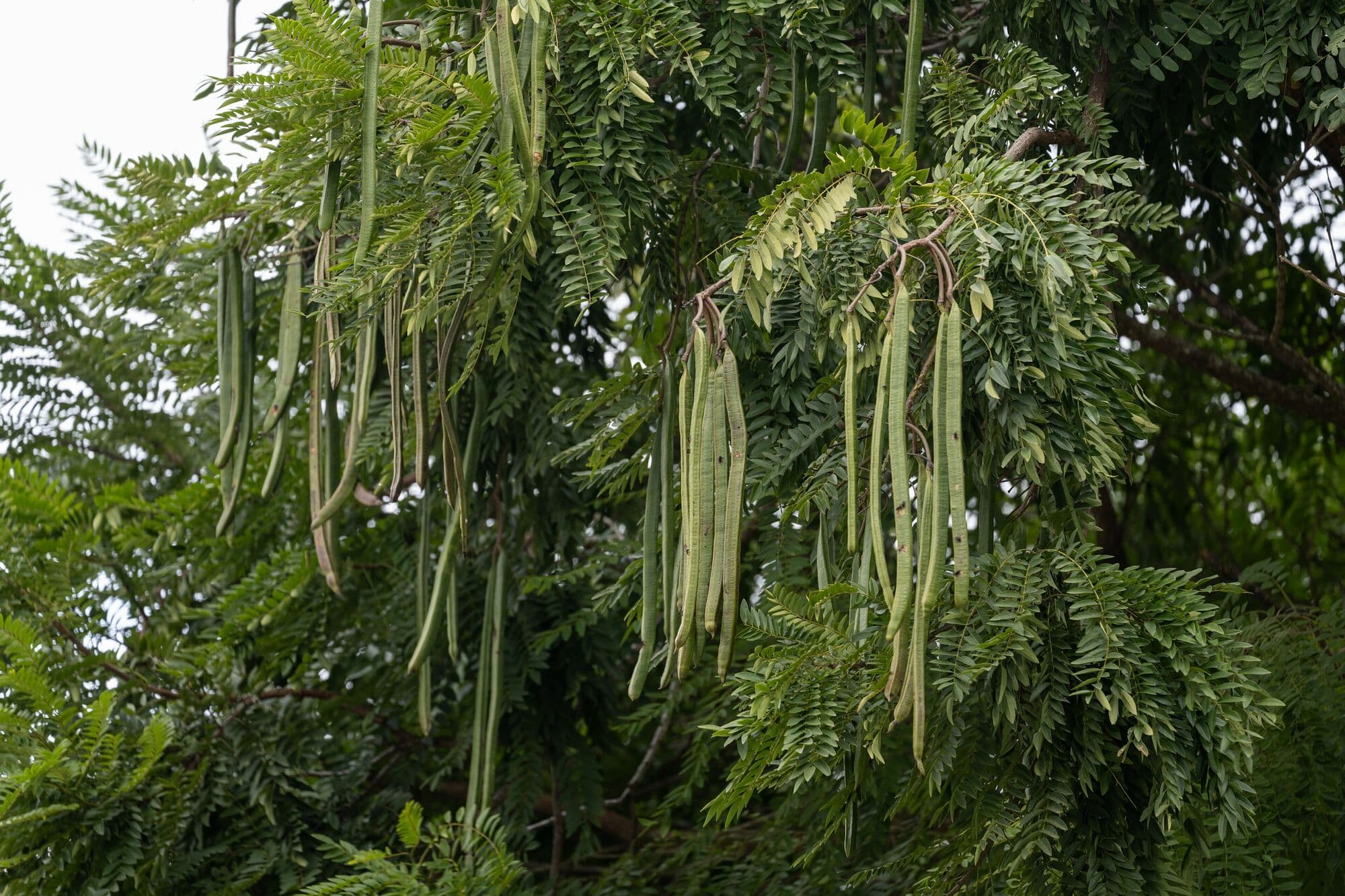
- Young pods for Indian and Filipino cooks — a vegetable with an existing local market.
- Seed for planting, sold to gardeners and other growers.
- Moringa honey from hives kept in the grove.
- Tea from dried leaf and flowers.
- Seedlings from the nursery, for backyard growers across the low desert.
- Soap made with glycerin from the biodiesel process.
Who buys
- The winter visitor crowd — thousands of snowbirds at the LTVAs and RV parks every winter. Health-minded, curious, and right next door.
- Farmers markets in Yuma and the surrounding towns.
- Local health food stores and restaurants.
- Online, once the product and labeling are dialed in.
Rules for selling food
Cottage food
Arizona has a cottage food program that may allow selling certain dried products made at home. Check the Arizona Department of Health Services cottage food rules for whether dried leaf powder and teas qualify. California has its own separate rules. A co-op processing barn may eventually need a licensed facility.
No health claims
Don’t put “cures,” “treats” or “prevents” on a label, sign or website. The FDA restricts those claims. Stick to plain facts like “nutrient-rich” and “high in protein.”